About This Condition
Why Some Wounds Refuse to Heal
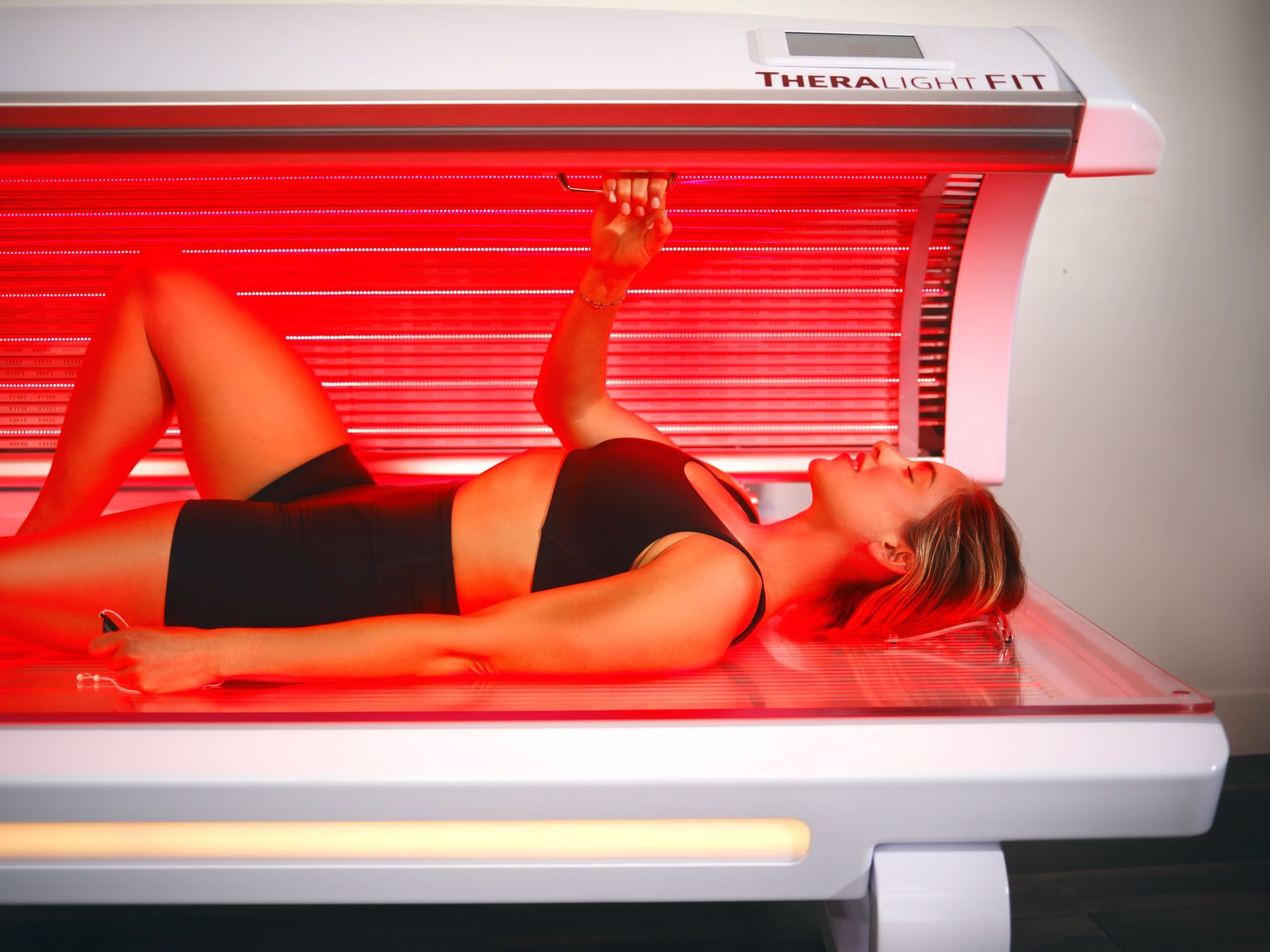
Wound healing is one of the body's most complex biological processes -- involving inflammation, cell proliferation, tissue remodeling, and angiogenesis working in careful coordination. When any part of that process is disrupted -- by diabetes, poor circulation, chronic inflammation, or immune dysfunction -- wounds stall. Chronic wounds and slow-healing injuries can persist for months or years, causing pain, infection risk, and a steady decline in quality of life. Photobiomodulation (PBM) directly activates the cellular pathways that drive wound repair. At specific red and near-infrared wavelengths, light energy is absorbed by mitochondria in skin, connective tissue, and immune cells -- triggering a cascade of healing responses that standard wound care cannot replicate: more collagen, faster re-epithelialization, reduced inflammation, and improved blood supply to the wound bed.
Who This Treatment Helps
Types of Wounds That Respond to Light Therapy
Diabetic foot ulcers
Venous leg ulcers
Pressure ulcers and bedsores
Post-surgical wounds
Burns and burn scars
Skin tears and lacerations
Wounds in patients with poor circulation
Wounds complicated by autoimmune conditions
Skin inflammation and dermatitis
Post-radiation skin damage
Clinical Research
What the Evidence Shows
Randomized Controlled Trial -- Lasers in Medical Science, 2024
A controlled randomized clinical trial published in Lasers in Medical Science assessed red and infrared LED photobiomodulation in patients with diabetic foot ulcers over 90 days. Both the red and infrared LED treatment groups demonstrated a large clinical effect size in wound area reduction compared to the control group -- with infrared LED showing the greatest effectiveness. Researchers concluded that individually applied red and infrared LED phototherapy tended to be more effective than standard care alone for reducing diabetic foot ulcer area.
Randomized Controlled Trial -- Lasers in Medical Science, 2024
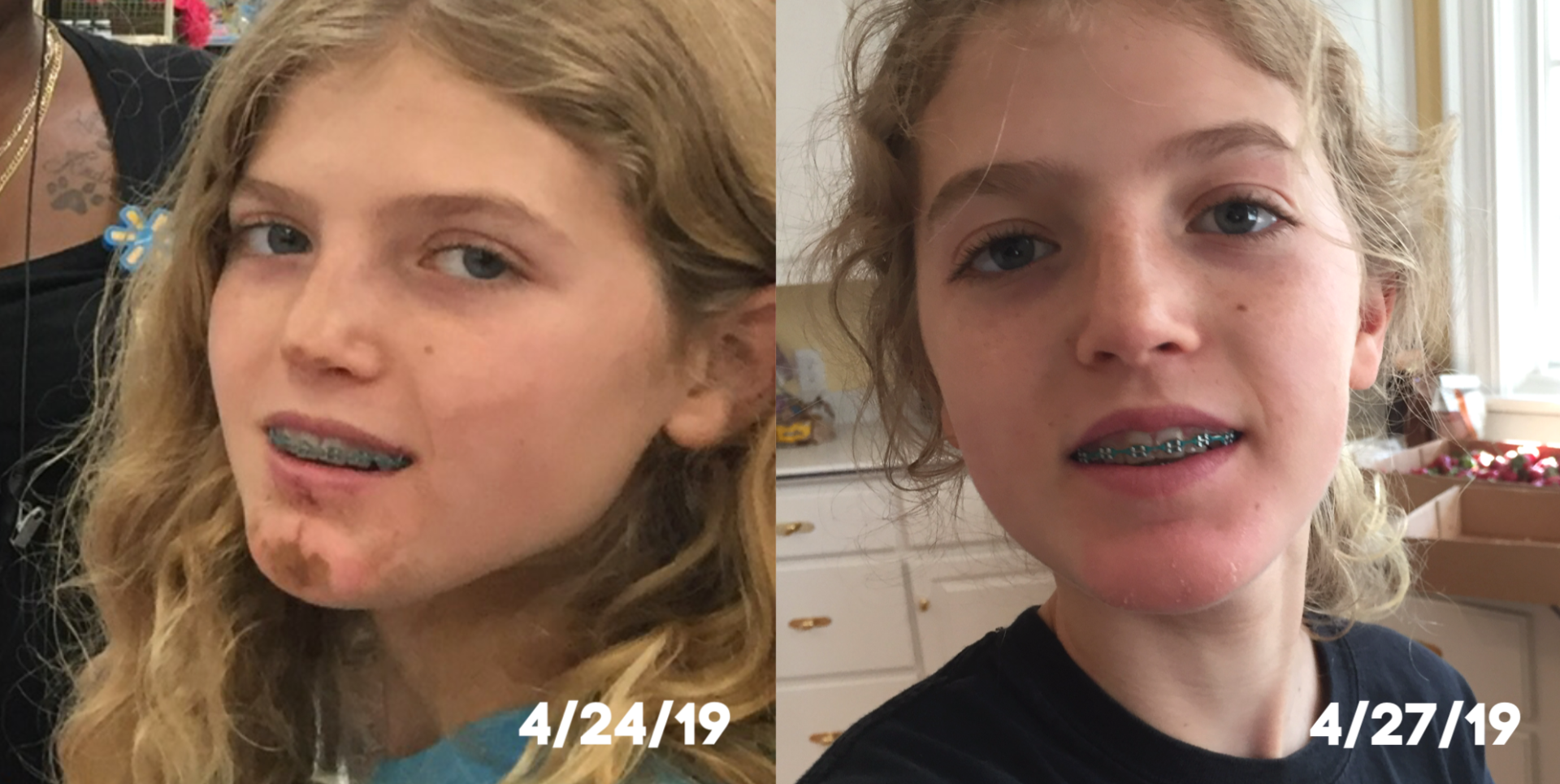
A prospective intraindividual randomized controlled study from the University of California, Irvine assessed LED photobiomodulation (combining 465nm, 640nm, and 880nm wavelengths) applied to skin wounds three times per week for four weeks. Three blinded evaluators assessed healing speed from clinical photography. The treated sites demonstrated faster wound healing compared to the untreated control sites, with researchers noting improvements in the rate of re-epithelialization and reductions in discomfort over the treatment period.
Systematic Review -- Journal of the American Academy of Dermatology, 2025
An evidence-based consensus published in the Journal of the American Academy of Dermatology reviewed the clinical applications of photobiomodulation across wound types -- including post-surgical wounds, radiation dermatitis, diabetic ulcers, and chronic skin conditions. The consensus concluded that PBM has a well-established evidence base for accelerating wound healing and reducing scar formation, supporting its integration into clinical wound care protocols.
Treatment Approach
How Laser and Light Therapy Accelerates Wound Healing
1
Stimulates Collagen Production
PBM activates fibroblasts -- the cells responsible for producing collagen and rebuilding tissue -- increasing collagen synthesis, improving wound tensile strength, and reducing scarring as the wound closes.
2
Reduces Wound Inflammation
Chronic inflammation is the primary reason wounds stall. Light therapy downregulates the pro-inflammatory cytokines that keep wounds in a perpetual inflammatory state, allowing the healing cascade to progress to the proliferation phase.
3
Improves Blood Supply
PBM promotes angiogenesis -- the growth of new blood vessels -- and vasodilation via nitric oxide release, restoring oxygen and nutrient delivery to wound tissue that has been starved of the circulation it needs to heal.
4
Accelerates Re-Epithelialization
Light therapy enhances the proliferation and migration of keratinocytes -- the skin cells that close the wound surface -- speeding up re-epithelialization and reducing the time a wound remains open and vulnerable to infection.
Patient Outcomes
What Patients in Eastern NC Are Experiencing
"I have seen definite improvement in my skin and pain levels. I highly recommend RLT. Very nice staff there."
-- Pamela Schedler, ATS patient - September 2023
Wound Healing Treatment in Greenville, NC
Advantage Therapy Solutions serves patients across Pitt County and Eastern North Carolina. A free consultation includes a full assessment of your wound type, healing history, and any underlying conditions affecting recovery -- so you leave with a targeted treatment plan.
Non-invasive - Drug-free - No side effects - Same-day appointments available