Light Therapy For Chronic Pain Treatment in Greenville NC
HEAL FASTER AND FEEL LESS PAIN

Advantage Therapy Solutions - Greenville, NC
Laser and Light Therapy for Chronic Pain in Greenville, NC
Photobiomodulation targets the root causes of chronic pain -- nerve sensitization, persistent inflammation, and impaired tissue repair -- producing real relief for patients who have exhausted other options.
50M+
Americans live with chronic pain -- the leading cause of disability in the U.S.
$635B
Annual cost of chronic pain in the U.S. in lost productivity and treatment
15+ yrs
How long some ATS patients had been in pain before finding relief here
About this condition
Why chronic pain is different -- and why standard treatment so often fails
Chronic pain is not just acute pain that lasted longer. It is a distinct physiological state in which the nervous system has become sensitized -- overreacting to signals, amplifying pain beyond what the tissue damage would warrant, and in many cases continuing to fire even after the original injury has healed. Conventional treatment -- opioids, NSAIDs, nerve blocks, steroid injections -- manages symptoms without addressing the underlying sensitization. Many patients cycle through these options for years without lasting relief. Photobiomodulation (PBM) works differently. It targets the cellular environment that drives chronic pain: reducing neuroinflammation in sensitized nerve tissue, restoring mitochondrial function in damaged cells, improving blood flow to pain-generating tissue, and modulating the nerve signaling pathways that perpetuate the pain cycle. The result is not sedation or masking -- it is the biology of the affected tissue actually changing.
What we treat
Types of chronic pain that respond to light therapy
Chronic back and neck pain
Neuropathic and nerve pain
Fibromyalgia
Knee and joint pain
Post-surgical chronic pain
Pain from hardware (rods, screws, plates)
Chronic migraines and headaches
Leg and lower extremity pain
Musculoskeletal pain
Pain that has not responded to medication
Clinical research
What the evidence shows
Systematic review of randomized clinical trials -- Frontiers in Integrative Neuroscience, 2026
A systematic review of 14 randomized clinical trials -- searching PubMed, Embase, Scopus, LILACS, and MEDLINE across a decade of published research -- evaluated photobiomodulation in adults with chronic pain conditions including fibromyalgia, peripheral neuropathies, and musculoskeletal pain. Most trials demonstrated significant pain reduction with PBM, with particularly strong results in fibromyalgia and neuropathy. Functional gains and improved quality of life were also observed across multiple studies. The incidence of adverse events was low, confirming PBM's safety profile for chronic pain management.
Triple-blind randomized clinical trial -- Pain and Therapy, 2023
A triple-blinded randomized clinical trial published in Pain and Therapy assessed whole-body photobiomodulation in 42 fibromyalgia patients -- one of the chronic pain populations most resistant to conventional treatment. The whole-body PBM group demonstrated significant reductions in pain intensity, pain catastrophizing, and kinesiophobia (fear of movement), alongside improvements in quality of life and psychological factors, compared to the placebo group. Researchers highlighted this as the first study to analyze a whole-body PBM intervention specifically in fibromyalgia.
Umbrella review of randomized clinical trials -- Systematic Reviews, 2025
An umbrella review published in Systematic Reviews synthesized the body of randomized controlled trial evidence for photobiomodulation across multiple health outcomes including pain, inflammation, and tissue repair. Researchers confirmed PBM as a non-invasive therapy with a meaningful evidence base across conditions including chronic musculoskeletal pain, neuropathy, fibromyalgia, and plantar fasciitis -- identifying it as an effective complementary approach for patients whose pain is difficult to control through conventional means.
Treatment approach
How laser and light therapy addresses chronic pain
1
Reduces nerve sensitization
Chronic pain involves overactive, sensitized nerve pathways. PBM modulates the electrical activity of pain-transmitting nerves and reduces the central sensitization that causes the nervous system to amplify pain signals beyond what the tissue damage warrants.
2
Resolves persistent inflammation
Most chronic pain has a chronic inflammation component that standard treatment cannot fully resolve. Near-infrared and red light wavelengths penetrate deep tissue to downregulate the inflammatory cytokines sustaining the pain environment.
3
Restores cellular energy
Damaged and inflamed tissue has impaired mitochondrial function -- cells running at reduced capacity, unable to repair themselves. PBM restores ATP production, giving affected tissue the energy to actually heal rather than just survive.
4
Improves local circulation
Poor blood flow starves pain-generating tissue of the oxygen and nutrients needed for repair. PBM promotes vasodilation and microvascular perfusion, restoring the circulation that chronic pain conditions consistently impair.
Patient outcomes
What patients in Eastern NC are experiencing
"I have been experiencing leg and nerve pain after I had a tib/fib fracture where a rod and screws have been placed since March of 2022. At my wits end, dealing with chronic lower leg and nerve pain, I heard about Advantage Therapy Solutions and decided to give them a try. After about 2 to 3 laser treatments I started to feel relief."
ATS has provided relief from chronic pain I have been dealing with for over 15 years!
The nutritionist has also helped me find the correct supplements to have more energy and focus all day.
I began going to ATS about a year ago for chronic pain. The handheld laser therapy was a life saver for me.
I continue to feel improvement with regular visits. I highly recommend Advantage Therapy to those with chronic pain.
I suffer from chronic migraines/headaches and severe back pain. Had a really bad headache before getting in and by the time my session ended my head was feeling better.
I have been receiving treatment for chronic back pain for about 3 weeks and have had very positive results. I look forward to continued success.
Chronic pain treatment in Greenville, NC
Advantage Therapy Solutions serves patients across Pitt County and Eastern North Carolina. A free consultation includes a full assessment of your pain history, what you have already tried, and what is driving the pain -- so you leave with a treatment plan built around your specific situation, not a generic protocol.
Non-invasive - Drug-free - No side effects - Same-day appointments available
Click below to find information about other conditions

Laser and light therapy for wound healing in Greenville, NC. Stimulate collagen, reduce inflammation, and help chronic or slow-healing wounds close faster -- drug-free.

Laser and light therapy for Parkinson's disease in Greenville, NC. Support dopaminergic neuron function, improve mobility and balance, and address motor and non-motor symptoms — drug-free.

Light and laser therapy for sleep and insomnia in Greenville, NC. Support melatonin production, reduce inflammation, and break the pain-sleep cycle — drug-free.

Laser and light therapy for carpal tunnel syndrome in Greenville, NC. Reduce pain, restore grip strength, and heal the median nerve — no surgery, no injections.

Diabetic neuropathy treatment in Greenville, NC. Laser therapy reduces burning, numbness, and nerve pain without medication at Advantage Therapy Solutions. Free consult.

Sciatica treatment in Greenville, NC. Light & laser therapy reduces sciatic nerve pain without drugs or surgery. Free consultation at Advantage Therapy Solutions.

While it is not a cure, light therapy can be a meaningful addition to comprehensive care when guided by a healthcare professional.

Fewer, milder migraines without medication. Red light therapy in Greenville, NC — non-invasive, no downtime. Book a free consultation at ATS.
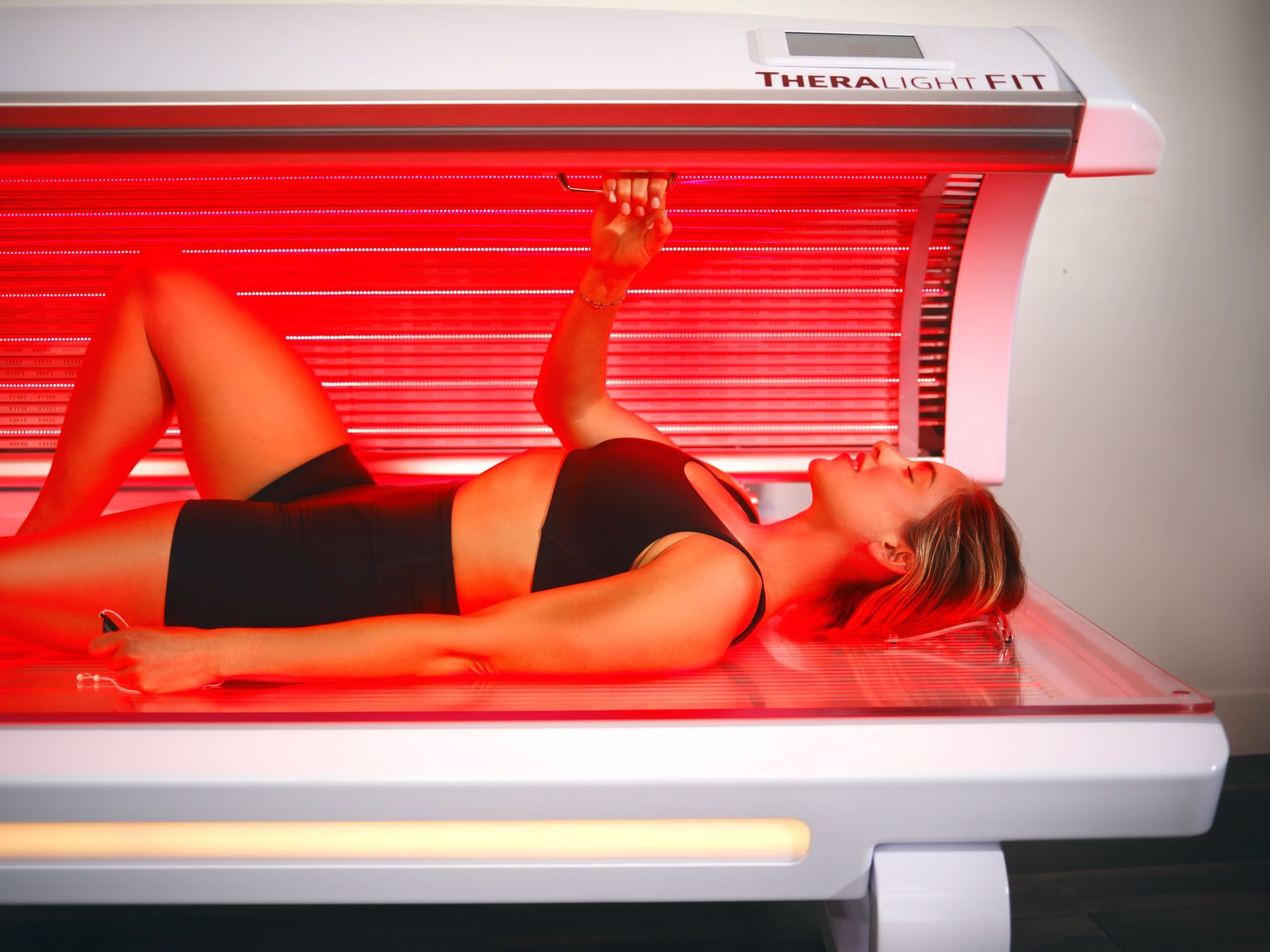
Learn how red light therapy helps reduce inflammation, relieve pain, and support healing. A guide to light therapy treatments available in Greenville, NC.
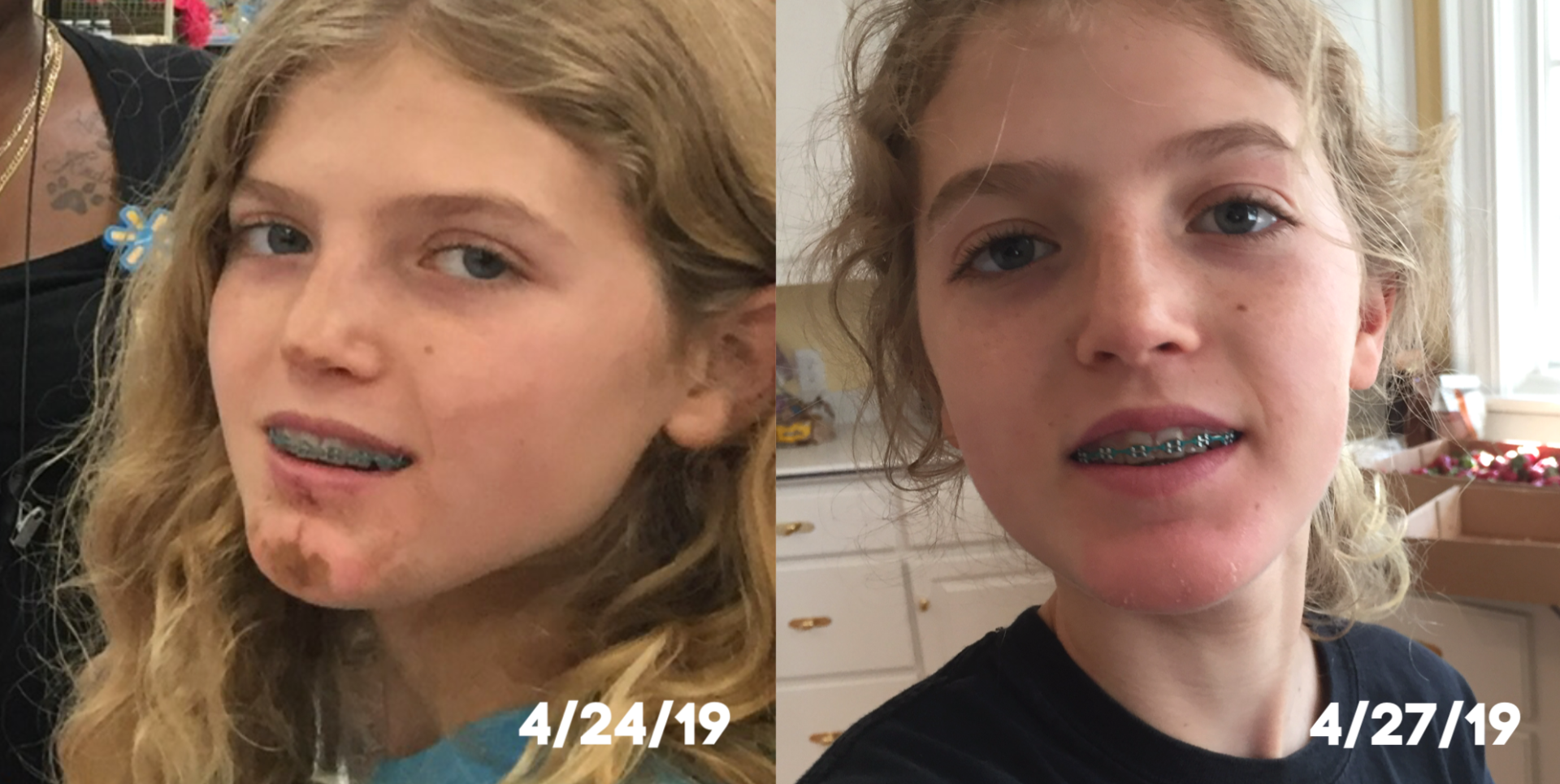
Can red light therapy help heal sunburn? We break down the science behind photobiomodulation, inflammation, and skin recovery.