Light Therapy for Autoimmune Relief in Greenville NC
HEAL FASTER AND FEEL LESS PAIN

How light therapy works with autoimmune conditions:
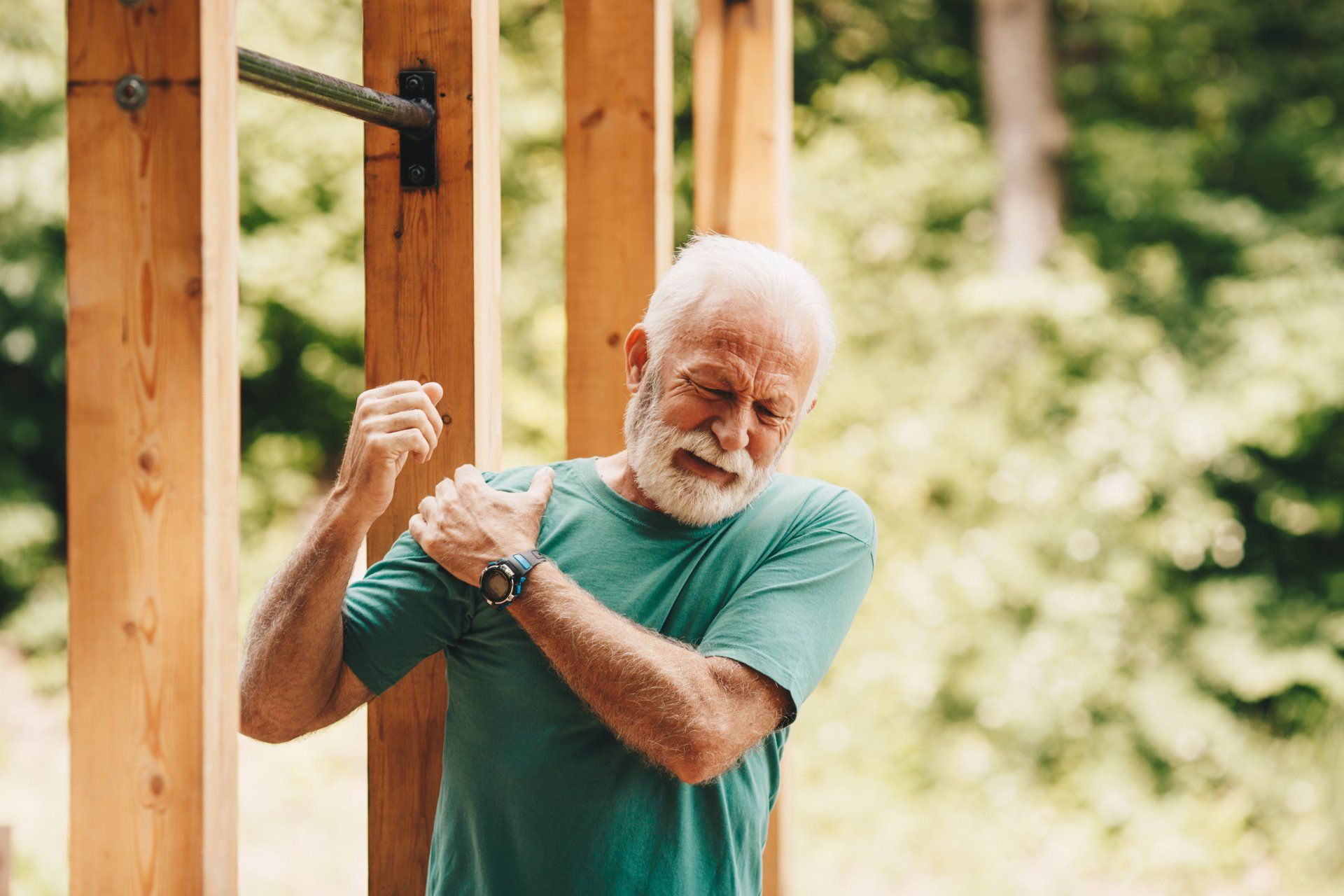
Autoimmune conditions keep your body in a constant state of inflammation — and that inflammation is what drives most of the pain, fatigue, and tissue damage. Light therapy works by getting into the affected tissue and interrupting that cycle at the source.
It reduces the inflammatory signals your immune system keeps firing, improves blood flow so your body can actually clear out the damage, and gives your cells the energy they need to repair. Think of it less as treating the autoimmune condition itself and more as giving your body a fighting chance to recover from what that condition is doing to it.
What Is Light Therapy?
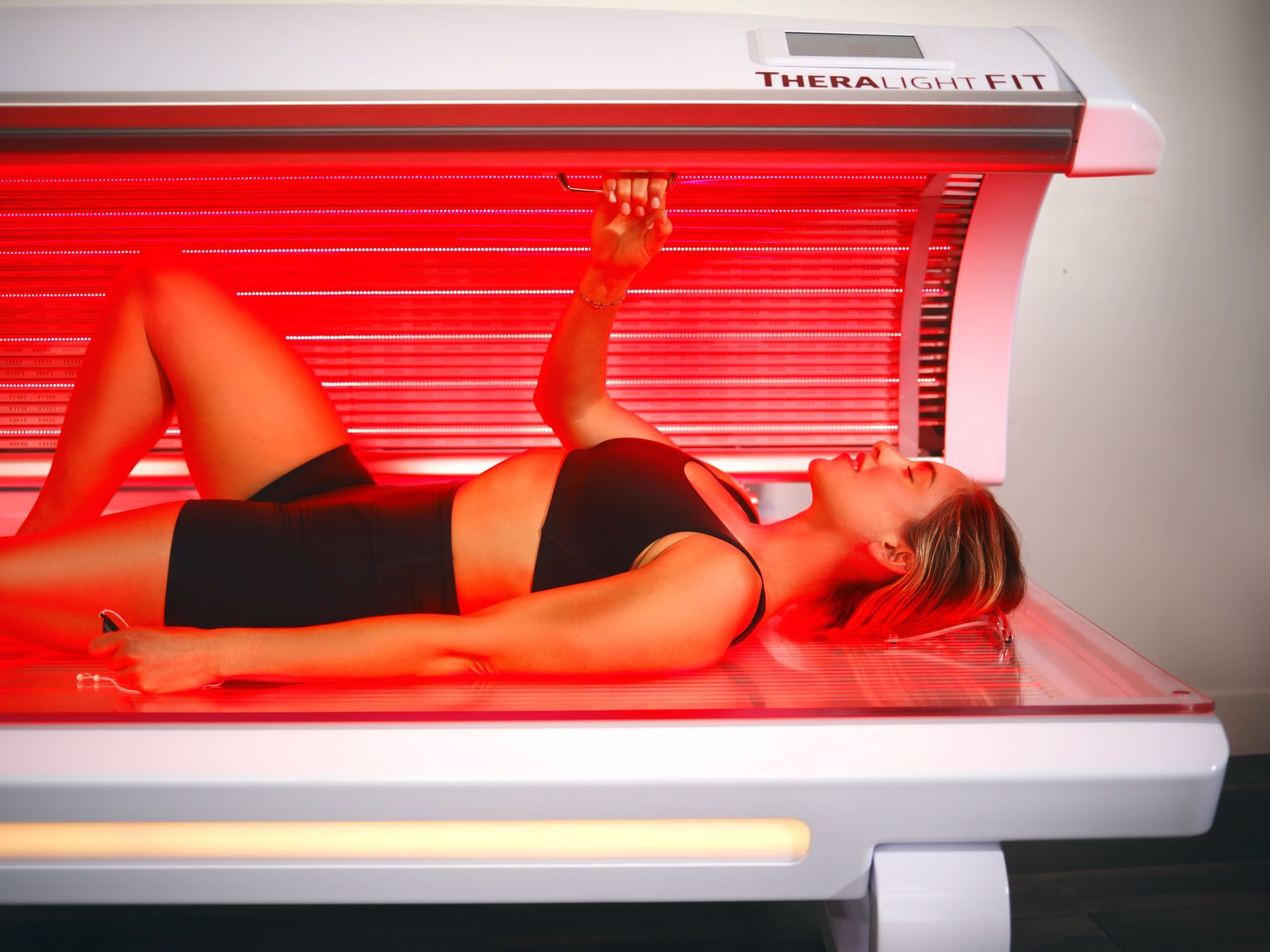
Light therapy — specifically photobiomodulation (PBM) or LLLT — uses specific wavelengths of light (often red and near-infrared) to penetrate tissues and influence cellular processes. Unlike high-intensity surgical lasers, PBM works at low levels to stimulate cell function, reduce inflammation, and support healing pathways.
Research into photobiomodulation has identified effects including:
Enhanced mitochondrial function and cellular energy production
Modulation of inflammatory pathways
Increased local circulation
Reduction of oxidative stress
Source (mechanism overview): Mechanisms of photobiomodulation in inflammation and healing — https://www.ncbi.nlm.nih.gov/pmc/articles/PMC9980499/
How Light Therapy Might Help Autoimmune Conditions
Autoimmune disorders are often characterized by chronic inflammation and immune dysfunction. While PBM is not a cure for autoimmune diseases, research suggests it might help with:
1. Inflammation Reduction
Photobiomodulation has been shown to reduce levels of pro-inflammatory markers and cytokines in studies.
Research:
Chronic inflammation and PBM — https://pubmed.ncbi.nlm.nih.gov/27087745/
2. Pain and Tissue Sensitization
Many autoimmune conditions (like rheumatoid arthritis) involve joint pain and soft-tissue sensitization.
Some studies suggest PBM can help modulate pain signaling and improve comfort.
Research:
Low-Level Laser Therapy in management of arthritis pain — https://pubmed.ncbi.nlm.nih.gov/17636694/
3. Cellular Energy and Tissue Support
Photobiomodulation stimulates mitochondria (the energy factories of cells), which may help tissues under stress heal more effectively — particularly in conditions where cellular metabolism is disrupted.
Mechanism reference:
Laser therapy and mitochondrial activity — https://pubmed.ncbi.nlm.nih.gov/16621602/
Frequently Asked Questions
Will this interfere with my immunosuppressant medications? No. Light therapy has no known interactions with immunosuppressants, biologics, or other autoimmune medications. We ask that you disclose your full medication list at your consultation so we can design an appropriate protocol, but there is no contraindication.
Can light therapy cause an autoimmune flare? Not at the therapeutic levels we use. In fact, many patients use light therapy specifically to shorten or reduce the severity of flares. We start conservatively with new patients and monitor closely.
Is this a replacement for my rheumatologist or specialist? No — and we don't position it that way. Light therapy at ATS is an adjunct to whatever care you're already receiving, not a substitute for it. We encourage all our autoimmune patients to stay under specialist supervision.
How often would I need to come in? It depends on the condition and severity. Some patients come in twice a week during a flare, then shift to maintenance once a month. We'll give you a personalized recommendation at your consultation.
I have lupus — is it safe to use red light on my skin? Lupus patients can be photosensitive, particularly to UV light. Our light therapy uses red and near-infrared wavelengths, not UV. However, we discuss individual sensitivities at every consultation and adjust accordingly. Please let us know about any light sensitivity at your first visit.
Click below to find information about other conditions