The Complete Guide to Red Light Therapy for Pain Relief
HEAL FASTER AND FEEL LESS PAIN

New To Light Therapy? Here is a complete informational guide.
The Complete Guide to Red Light Therapy for Pain Relief
Pain can interfere with nearly every part of life — from simple daily activities to sleep, exercise, and overall well-being. Many people rely on medications or invasive procedures to manage chronic pain, but there are also non-drug options that support the body’s natural healing processes.
One treatment that has gained significant attention in recent years is red light therapy, a non-invasive treatment that helps reduce inflammation, promote tissue repair, and relieve pain.
In this guide, we’ll explain how red light therapy works, what conditions it may help treat, and what to expect from treatment.
What Is Red Light Therapy?
Red light therapy is a treatment that uses specific wavelengths of light to stimulate cellular activity and promote healing in the body.
The therapy typically uses two types of light:
• Red light wavelengths
• Near-infrared light wavelengths
These wavelengths penetrate the skin and underlying tissues, where they interact with cells and support the body’s natural repair processes.
Because of its ability to stimulate healing at the cellular level, red light therapy is sometimes referred to as:
- photobiomodulation therapy
- low-level laser therapy
- LED light therapy
Despite the different names, they all refer to the use of therapeutic light to support healing and pain relief.
How Red Light Therapy Works
Red and near-infrared light affect the body at the cellular level.
Inside every cell are structures called mitochondria, which act as the cell’s energy producers. Red light therapy stimulates these mitochondria, helping them produce more energy.
This process can lead to several biological effects that support healing.
Increased cellular energy
Cells become more efficient at repairing damaged tissue.
Reduced inflammation
Light therapy can help decrease inflammatory responses in injured or irritated tissue.
Improved circulation
The treatment may improve blood flow, delivering oxygen and nutrients to areas that need healing.
Faster tissue repair
Enhanced cellular activity can help the body recover more quickly from injury or strain.
These effects together help explain why light therapy is used for a variety of pain and injury conditions.
Conditions Red Light Therapy May Help Treat
Red light therapy is commonly used to support recovery from many types of pain and musculoskeletal conditions.
Some of the most common include:
Arthritis
Joint inflammation from arthritis can cause stiffness, swelling, and chronic discomfort. Light therapy may help reduce inflammation and support joint mobility. More Info On Arthritis →
Back and neck pain
Muscle tension, disc irritation, and inflammation in the spine can lead to persistent pain. Light therapy may help relax muscles and improve circulation to the affected area. More info on Back and Neck Pain→
Neuropathy
Peripheral neuropathy often causes burning, tingling, or numbness in the hands and feet. Light therapy may help stimulate nerve repair and improve circulation. More Info On Neuropathy→
Plantar fasciitis
This common foot condition causes inflammation in the band of tissue supporting the arch. Light therapy may help reduce inflammation and accelerate healing. More info on Plantar Fasciitis→
Sports injuries
Sprains, strains, and soft-tissue injuries can benefit from improved circulation and faster tissue repair. More info on Sports Injuries→
Joint pain and inflammation
Red light therapy is often used for general joint pain in the knees, shoulders, hips, and elbows.
Because it supports the body’s natural healing process, the treatment may also help with injury recovery and post-surgical healing. More info on whole body natural healing→
Is Red Light Therapy Safe?
Red light therapy is widely considered a safe, non-invasive treatment when administered correctly.
Unlike medications, it does not introduce chemicals into the body. Unlike surgery, it does not involve incisions or recovery time.
Most patients experience:
• little to no discomfort
• no downtime after treatment
• minimal side effects
Because the treatment works with the body’s natural healing processes, it is often used as part of a broader pain management strategy.
What Does a Red Light Therapy Treatment Feel Like?
A typical treatment session is simple and comfortable.
During the session:
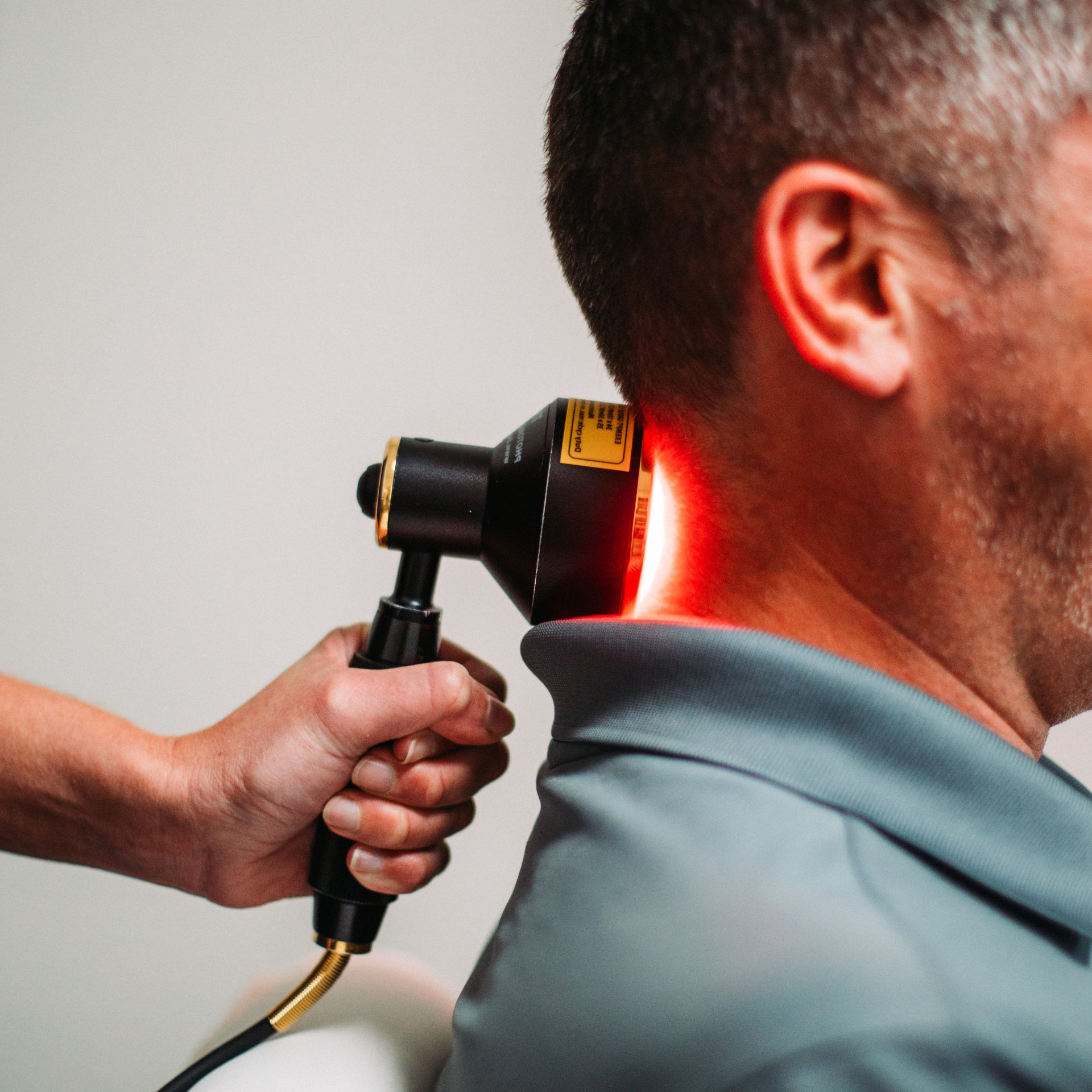
- The treatment area is exposed to therapeutic light.
- The light device is positioned over the area of concern.
- The treatment lasts several minutes depending on the condition being treated.
Most patients describe the sensation as warm and relaxing.
There is no recovery time required, so patients can usually return to their normal activities immediately after treatment.
How Many Treatments Are Needed?
The number of sessions needed depends on several factors:
• the condition being treated
• how long symptoms have been present
• overall health and lifestyle factors
Some patients notice improvements after just a few sessions, while others benefit from a series of treatments to achieve optimal results.
A personalized treatment plan is usually recommended based on the individual’s needs and goals.
Red Light Therapy vs Pain Medication
Pain medications often focus on masking symptoms rather than addressing the underlying causes of inflammation or tissue damage.
Red light therapy works differently.
Instead of blocking pain signals, it helps the body:
• reduce inflammation
• improve circulation
• stimulate tissue repair
Because of this, many people explore light therapy as part of a broader approach to pain management.
Red Light Therapy and Whole-Body Healing
Pain is not always caused by a single factor. Inflammation, nutrition, lifestyle habits, and physical stress can all contribute to how the body heals.
For this reason, some clinics combine light therapy with other approaches that support whole-body wellness.
At Advantage Therapy Solutions, light therapy treatments may be combined with functional nutrition strategies designed to support healing and reduce inflammation from the inside out.
What to Expect at Your First Appointment
During an initial consultation, a practitioner will typically:
• review your symptoms and medical history
• discuss treatment goals
• determine whether light therapy is appropriate for your condition
If treatment is recommended, a customized plan may be developed to address your specific concerns.
Frequently Asked Questions
Does red light therapy really work?
Research suggests that red and near-infrared light therapy can stimulate cellular activity, reduce inflammation, and support tissue repair.
Is red light therapy painful?
Most patients feel only a gentle warmth during treatment.
How long does a treatment session take?
Sessions are typically short and may last several minutes depending on the area being treated.
Is there any downtime?
No. Most people can return to their normal activities immediately after treatment.
Is Red Light Therapy Right for You?
If you’re dealing with chronic pain, inflammation, or slow injury recovery, red light therapy may be worth exploring as a non-invasive treatment option.
Because every person and condition is different, the best way to determine whether the treatment is appropriate is through a consultation with a qualified provider.
Click below to find information about other conditions