Laser Therapy for Stroke and Traumatic Brain Injury
HEAL FASTER AND FEEL LESS PAIN

Advantage Therapy Solutions - Greenville, NC
Laser and Light Therapy for Stroke and Brain Injury Recovery in Greenville, NC
Photobiomodulation supports the brain's natural repair process after stroke and traumatic brain injury -- reducing neuroinflammation, improving cognitive function, and helping restore mobility, vision, and quality of life.
800K+
Americans experience a stroke each year
2.8M
Traumatic brain injuries treated in U.S. emergency departments annually
50%+
Of stroke survivors experience lasting disability affecting daily function
About These Conditions
Stroke and Traumatic Brain Injury: Why Recovery Is So Hard
Stroke occurs when blood flow to part of the brain is cut off -- either by a clot (ischemic stroke) or a bleed (hemorrhagic stroke). Brain cells deprived of oxygen die within minutes, and the surrounding tissue enters a state of injury and inflammation that can persist for months or years. Traumatic brain injury (TBI) follows a similar pattern: the initial impact is followed by a cascade of cellular damage, oxidative stress, neuroinflammation, and mitochondrial dysfunction that continues long after the event itself. Conventional rehabilitation -- physical therapy, speech therapy, occupational therapy -- helps patients relearn lost skills, but does not directly address the underlying neurological damage. Photobiomodulation (PBM) works differently: it delivers specific wavelengths of light that penetrate the skull and brain tissue, targeting the cellular environment where the damage lives. It reduces neuroinflammation, restores mitochondrial energy production in injured neurons, promotes neurogenesis, and improves cerebral blood flow -- creating the biological conditions for recovery that rehabilitation alone cannot provide.
Lasting Effects
Common Challenges After Stroke and Brain Injury
Weakness or paralysis on one side
Cognitive impairment and memory loss
Chronic headaches
Vision problems or changes
Speech and language difficulties
Fatigue and brain fog
Depression and mood changes
Sleep disturbances
Balance and coordination problems
Post-traumatic stress symptoms
Clinical Research
What the Evidence Shows
Randomized Controlled Trial -- Frontiers in Neurology, 2025
A randomized controlled trial published in Frontiers in Neurology enrolled 90 stroke patients with post-stroke cognitive impairment. Those receiving red light photobiomodulation therapy for 3 months alongside conventional medication showed significant improvements in cognitive function (MoCA scores) and neuropsychiatric symptoms compared to the control group, with benefits sustained across 6 months of follow-up. Researchers identified enhanced cerebral blood flow, reduced neuroinflammation, and support for synaptic repair as key mechanisms.
Randomized Placebo-Controlled Trial -- PubMed, 2025
A randomized placebo-controlled trial of transcranial PBM in mild traumatic brain injury patients found significant improvements in cognitive function, post-concussion symptoms, and post-traumatic stress disorder symptoms following treatment. Researchers concluded that tPBM represents a promising intervention for the persistent neurological sequelae that affect many mTBI patients long after the initial injury.
Comprehensive Review -- Cells (MDPI), 2024
A 2024 comprehensive review published in Cells (MDPI) synthesized the cellular mechanisms and human clinical evidence for PBM in traumatic brain injury recovery. Reviewing studies across axonal damage, mitochondrial dysfunction, oxidative stress, and neuroinflammation, researchers concluded that transcranial photobiomodulation shows strong potential for addressing TBI's complex pathophysiology -- with clinical study outcomes supporting its feasibility across multiple injury types and severities.
Treatment Approach
How Laser and Light Therapy Supports Brain Recovery
1
Restores Mitochondrial Function
Injured brain cells suffer massive mitochondrial dysfunction after stroke or TBI. PBM activates cytochrome-c-oxidase in the mitochondria, restoring ATP production and giving neurons the energy they need to survive and repair.
2
Reduces Neuroinflammation
The inflammatory cascade following brain injury can persist for years, damaging healthy tissue long after the initial event. Near-infrared light at therapeutic wavelengths downregulates the inflammatory markers driving this chronic damage.
3
Improves Cerebral Blood Flow
PBM promotes nitric oxide release, stimulating vasodilation and improving microvascular perfusion in the brain -- restoring oxygen and nutrient delivery to tissue that has been starved since the initial injury.
4
Supports Neurogenesis and Repair
Light therapy promotes neuronal survival, axonal repair, and synaptogenesis -- the formation of new neural connections that underlie functional recovery of movement, cognition, vision, and speech.
Patient Outcomes
What Patients in Eastern NC Are Experiencing
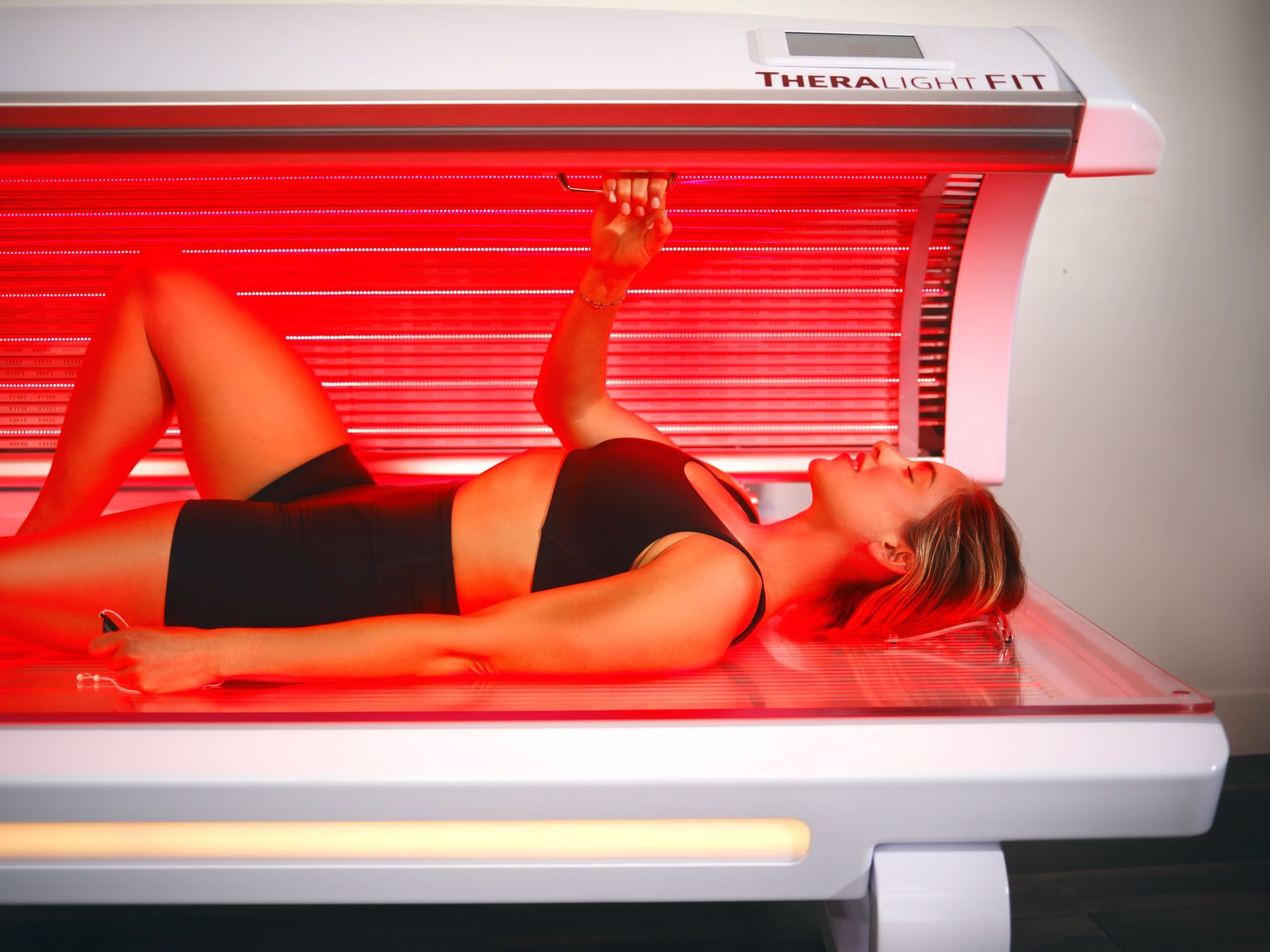
"In April 2019 I had a seizure, stroke, and craniotomy. My left side was paralyzed. Dr. Markandaya recommended I try ATS to help heal some of the lasting effects of the stroke. The helmet and full body pod have improved my left arm mobility. My vision problems were corrected with prism glasses and laser therapy. I also had headaches all the time and with the use of light therapy, my headaches have lessened dramatically."
"I am recommending this treatment to two more individuals I know with brain injuries. Brain injury is life altering.
I believe that any treatment that may prove helpful should be explored."
Stroke and Brain Injury Recovery in Greenville, NC
Advantage Therapy Solutions serves patients across Pitt County and Eastern North Carolina. A free consultation includes a full assessment of your current symptoms, recovery timeline, and treatment history -- so you leave with a clear plan for how light therapy can support your recovery.
Non-invasive - Drug-free - No side effects - Same-day appointments available
Click below to find information about other conditions
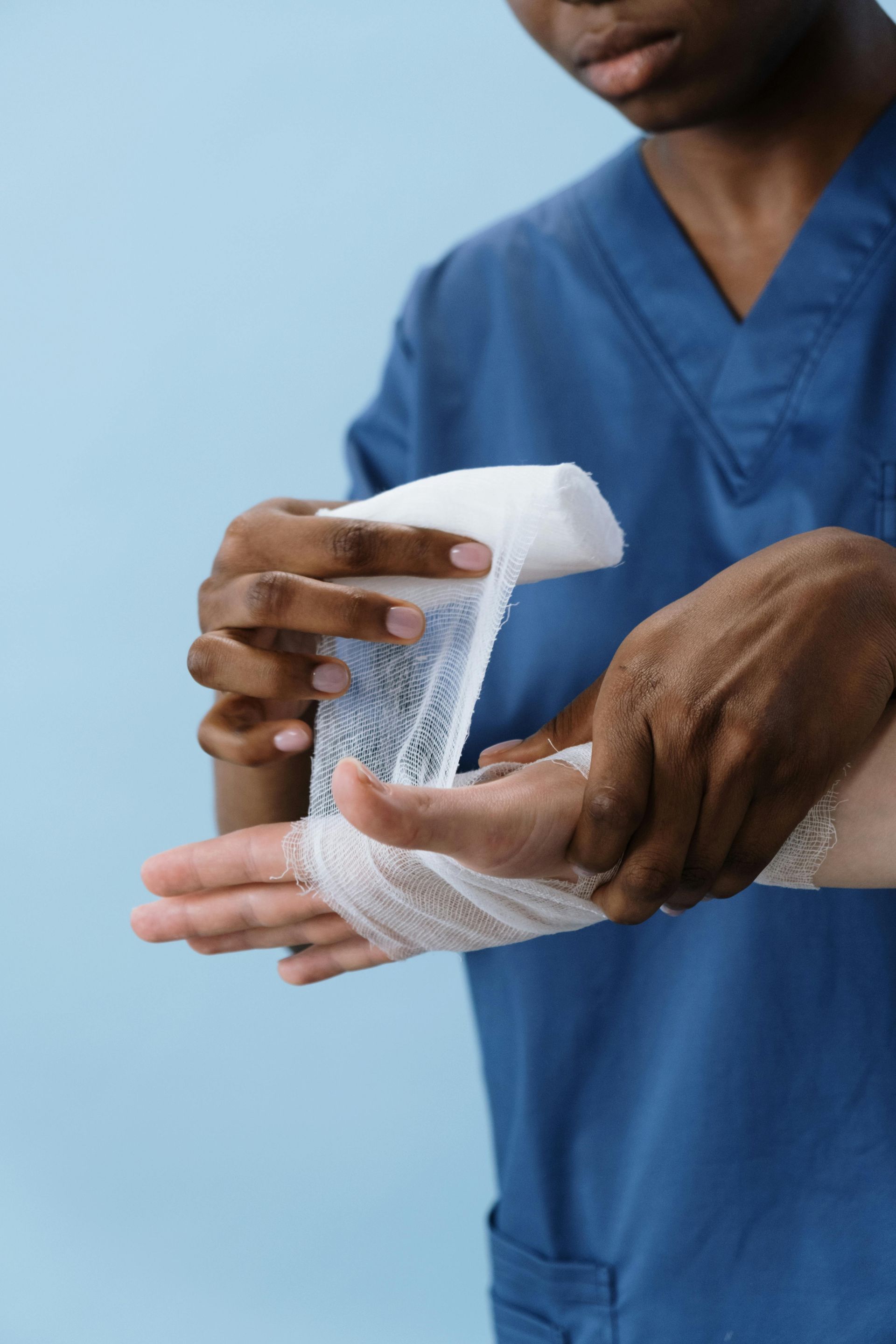
Laser and light therapy for wound healing in Greenville, NC. Stimulate collagen, reduce inflammation, and help chronic or slow-healing wounds close faster -- drug-free.
Laser and light therapy for Parkinson's disease in Greenville, NC. Support dopaminergic neuron function, improve mobility and balance, and address motor and non-motor symptoms — drug-free.
Light and laser therapy for sleep and insomnia in Greenville, NC. Support melatonin production, reduce inflammation, and break the pain-sleep cycle — drug-free.
Laser and light therapy for carpal tunnel syndrome in Greenville, NC. Reduce pain, restore grip strength, and heal the median nerve — no surgery, no injections.
Diabetic neuropathy treatment in Greenville, NC. Laser therapy reduces burning, numbness, and nerve pain without medication at Advantage Therapy Solutions. Free consult.

Sciatica treatment in Greenville, NC. Light & laser therapy reduces sciatic nerve pain without drugs or surgery. Free consultation at Advantage Therapy Solutions.

While it is not a cure, light therapy can be a meaningful addition to comprehensive care when guided by a healthcare professional.
Fewer, milder migraines without medication. Red light therapy in Greenville, NC — non-invasive, no downtime. Book a free consultation at ATS.
Learn how red light therapy helps reduce inflammation, relieve pain, and support healing. A guide to light therapy treatments available in Greenville, NC.
Can red light therapy help heal sunburn? We break down the science behind photobiomodulation, inflammation, and skin recovery.