Laser Therapy for Fractures
HEAL FASTER AND FEEL LESS PAIN

Advantage Therapy Solutions - Greenville, NC
Laser and Light Therapy for Fracture Healing in Greenville, NC
Photobiomodulation accelerates bone repair at the cellular level -- stimulating osteoblast activity, increasing bone matrix synthesis, reducing inflammation, and helping fractures heal faster than standard recovery timelines.
6M+
Bone fractures occur in the U.S. each year
5-8%
Of fractures result in delayed healing or non-union despite standard treatment
Months
Typical recovery timeline for many fractures -- light therapy can shorten it
About this treatment
Why fracture healing takes so long -- and what changes that
Bone healing is a complex biological process that progresses through four phases: inflammation, soft callus formation, hard callus formation, and bone remodeling. Each phase depends on cellular activity -- osteoblasts building new bone matrix, blood vessel formation supplying nutrients to the repair site, and inflammatory signals being resolved at the right time. When any part of that cascade is impaired -- by poor circulation, diabetes, age, nutritional deficiency, or the simple biology of a severe break -- healing stalls, pain persists, and the recovery timeline stretches. Photobiomodulation (PBM) directly stimulates the cells responsible for bone repair. Red and near-infrared light penetrates tissue to the fracture site, activating mitochondrial energy production in osteoblasts, reducing the chronic inflammation that delays healing, improving local blood supply, and increasing the growth factors that drive new bone formation.
Who this treatment helps
Types of fractures that respond to light therapy
Acute bone fractures
Stress fractures
Foot and ankle fractures
Wrist and hand fractures
Tibial and fibular fractures
Knee fractures
Shoulder and humerus fractures
Delayed or slow-healing fractures
Post-surgical bone repair
Fractures in diabetic patients
Clinical research
What the evidence shows
Double-blind randomized controlled trial -- Journal of Biophotonics, 2023
A double-blind randomized controlled trial published in the Journal of Biophotonics assessed multiwavelength photobiomodulation in patients with tibial and ankle fractures. The PBM group received treatment at multiple wavelengths targeting both the fracture site and associated soft tissue injury. Researchers evaluated healing of soft tissue injuries associated with the fractures and found the treatment to be both safe and effective in supporting tissue repair alongside standard fracture management.
Systematic review and meta-analysis -- Lasers in Medical Science, 2020
A systematic review and meta-analysis of randomized controlled trials published in Lasers in Medical Science analyzed the effectiveness of photobiomodulation in bone fracture healing. The meta-analysis found a statistically significant difference in favor of PBM for pain reduction in fracture patients across the included trials. Researchers identified PBM as a safe adjunct to conventional fracture treatment with a favorable evidence base for reducing pain during the healing process.
Systematic review -- ScienceDirect
A systematic review of 37 studies on photobiomodulation in bone repair, published in the International Journal of Surgery, found that PBM accelerates bone matrix synthesis through increased vascularization, lower inflammatory response, and a significant increase in osteocytes at the irradiated bone site. Researchers concluded that PBM aids new bone formation and shortens recovery time across multiple types of bone lesions and fracture sites.
Treatment approach
How laser and light therapy accelerates fracture healing
1
Activates osteoblasts
PBM stimulates the mitochondria of osteoblasts -- the cells responsible for producing new bone -- increasing their energy output and accelerating the rate of bone matrix synthesis at the fracture site.
2
Reduces fracture site inflammation
Controlled inflammation is necessary in early fracture healing, but chronic inflammation delays progression to the bone-building phases. PBM helps resolve inflammation at the right time, allowing healing to advance.
3
Improves local blood supply
Bone repair depends on vascularization -- new blood vessels delivering the calcium, phosphorus, and growth factors the repair site needs. PBM promotes angiogenesis and vasodilation, increasing nutrient delivery directly to the fracture.
4
Reduces pain during recovery
By targeting the nerve and inflammatory environment around the fracture, PBM reduces the pain that makes fracture recovery so difficult -- letting patients move, rehabilitate, and sleep without the degree of pain that would otherwise be expected.
Patient outcomes
What patients in Eastern NC are experiencing
"The healing of my broken foot is somewhat of a miracle! I was told it would take up to a year for a broken foot to heal. I wore a corrective shoe and received light therapy 2x per week for 11-12 weeks before I stopped wearing the shoe. Definite closing of the bone was apparent on x-ray after only 7 months! My foot no longer gives me any trouble."
"I was diagnosed with a stress fracture in my knee. It was extremely painful to walk on and my doctor suggested that I stay off of it completely. I felt it tingling every time I did whole body treatments and slightly less pain after each one. After 2 1/2 weeks of whole body with only one laser treatment, my knee never hurt again.
A stress fracture completely healed in 2 1/2 weeks and I was walking and running on it with no pain during the 3rd week!"
Fracture healing support in Greenville, NC
Advantage Therapy Solutions serves patients across Pitt County and Eastern North Carolina. A free consultation includes a full review of your fracture type, current healing status, and any factors affecting recovery -- so you leave with a treatment plan built around your specific situation.
Non-invasive - Drug-free - No side effects - Same-day appointments available
Want to learn more? Click here to book a free consultation!
Click below to find information about other conditions

Laser and light therapy for chronic pain in Greenville, NC. Target nerve sensitization, persistent inflammation, and the root causes of pain that medication alone cannot resolve -- drug-free.

Laser and light therapy for wound healing in Greenville, NC. Stimulate collagen, reduce inflammation, and help chronic or slow-healing wounds close faster -- drug-free.

Laser and light therapy for Parkinson's disease in Greenville, NC. Support dopaminergic neuron function, improve mobility and balance, and address motor and non-motor symptoms — drug-free.

Light and laser therapy for sleep and insomnia in Greenville, NC. Support melatonin production, reduce inflammation, and break the pain-sleep cycle — drug-free.

Laser and light therapy for carpal tunnel syndrome in Greenville, NC. Reduce pain, restore grip strength, and heal the median nerve — no surgery, no injections.

Diabetic neuropathy treatment in Greenville, NC. Laser therapy reduces burning, numbness, and nerve pain without medication at Advantage Therapy Solutions. Free consult.

Sciatica treatment in Greenville, NC. Light & laser therapy reduces sciatic nerve pain without drugs or surgery. Free consultation at Advantage Therapy Solutions.

While it is not a cure, light therapy can be a meaningful addition to comprehensive care when guided by a healthcare professional.

Fewer, milder migraines without medication. Red light therapy in Greenville, NC — non-invasive, no downtime. Book a free consultation at ATS.
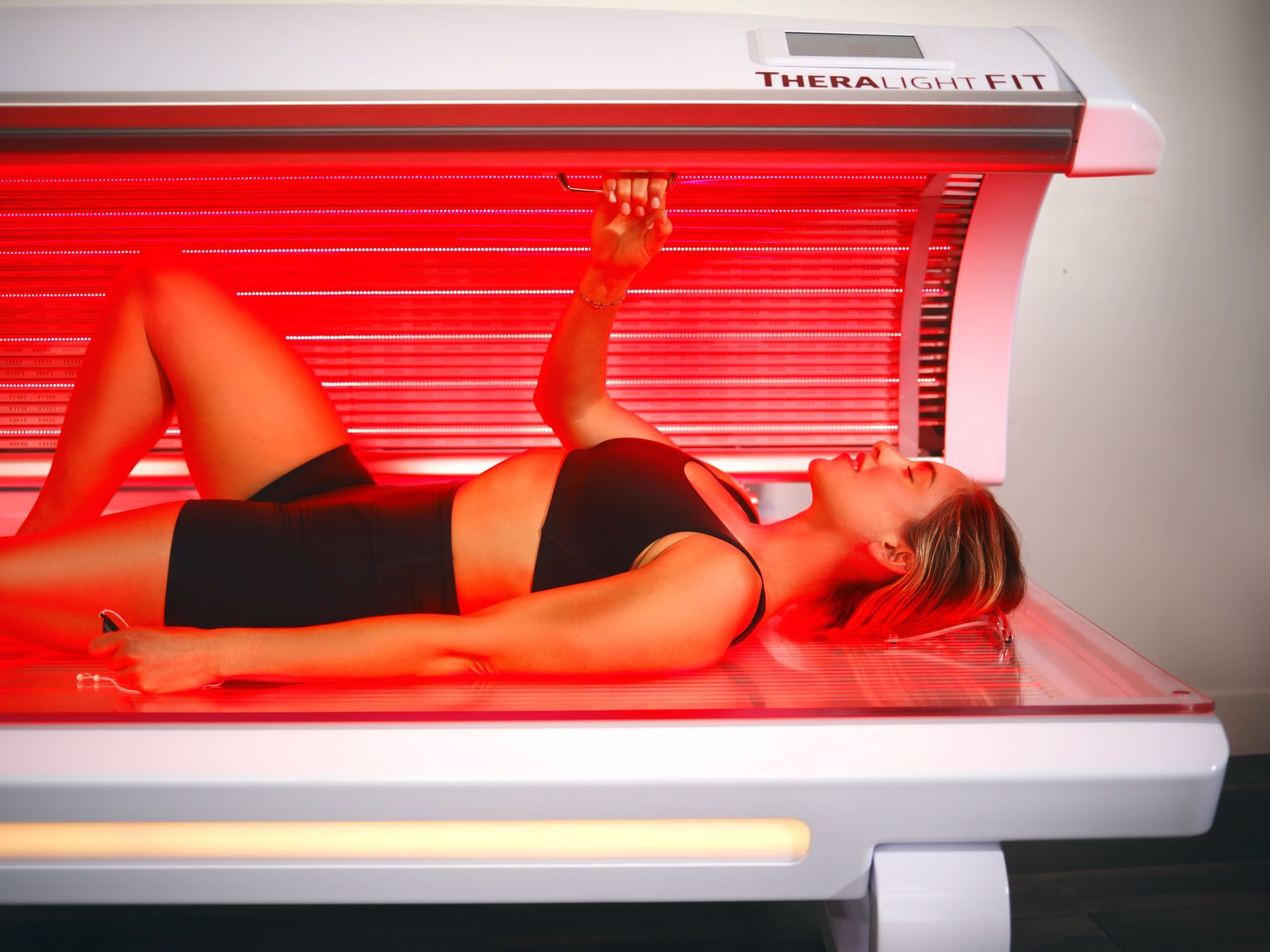
Learn how red light therapy helps reduce inflammation, relieve pain, and support healing. A guide to light therapy treatments available in Greenville, NC.